Brand Strategy · May 2026 · 18 min read
THE ₹500 CRORE OPPORTUNITY: ANIME AND CULTURAL CLOTHING IS INDIA'S NEXT BIG BRAND PLAY.
By Fenil Dhorajiya, Founder, Indiibot Technology

By Fenil Dhorajiya, Founder, Indiibot Technology
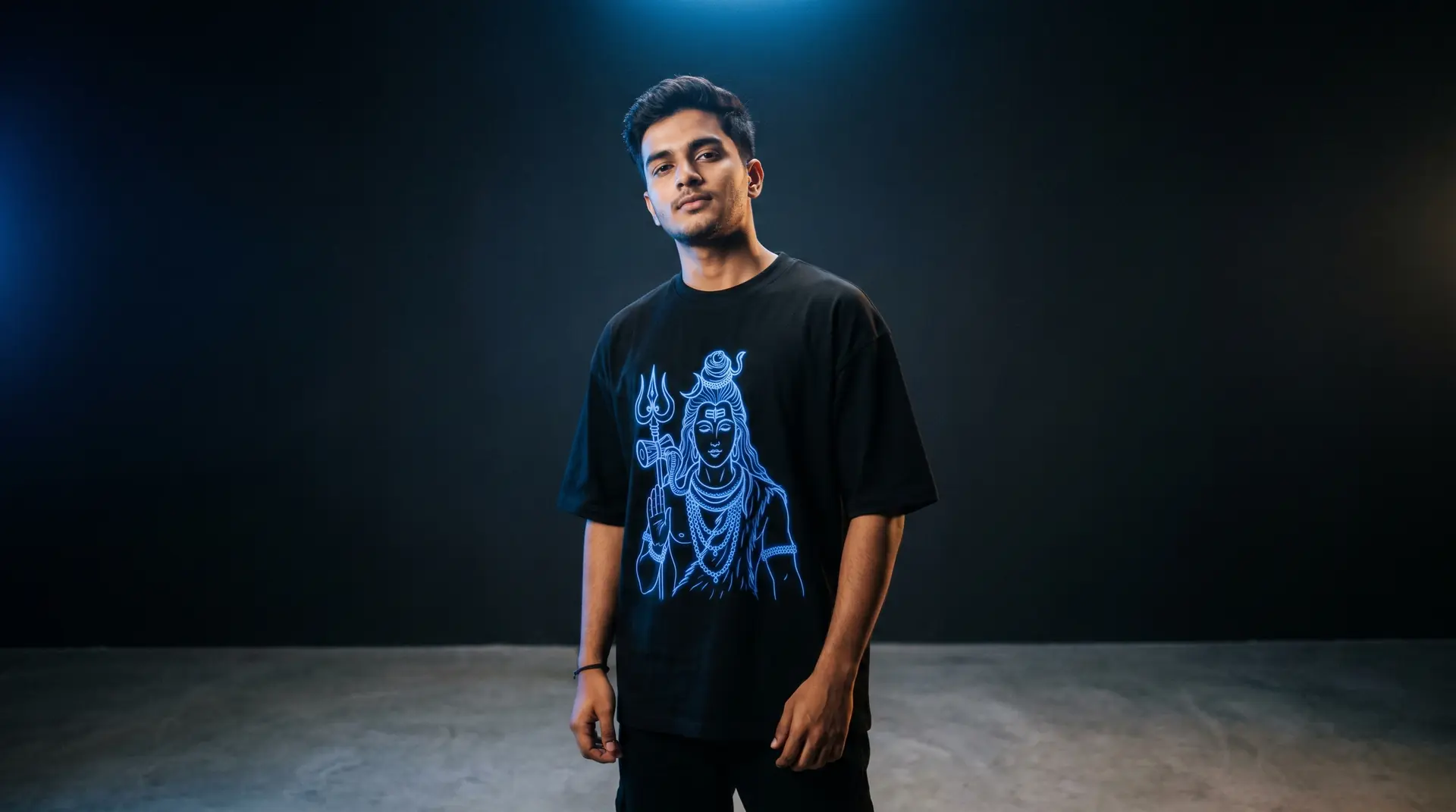
The multiplex in Bangalore was sold out. Not for a Bollywood blockbuster. For an anime film. Demon Slayer: Mugen Train ran to packed houses across Mumbai, Pune, Delhi, Hyderabad, and Bangalore. Fans queued in cosplay. Social media was flooded with theater selfies. One screening at Inox in Mumbai had a standing ovation at the end.
Outside those theaters, something equally interesting was happening on the streets. A 19-year-old in Pune wearing an oversized tshirt of Lord Shiva reimagined in anime art style. A group of engineering students in Chennai in Naruto graphic hoodies. A creator in Delhi who built 400,000 Instagram followers just by posting anime-inspired fanart of Hindu gods. And, critically, most of these young Indians are buying their anime clothing from overseas stores or printing it themselves, because no serious Indian brand is making it at the quality they want.
That is the gap. That gap is worth hundreds of crores. And it is available right now, before the big players arrive.
Ten years ago, anime in India was a niche interest: a small community of fans who had grown up watching Naruto, Dragon Ball Z, and Bleach on Cartoon Network or Hungama. Today it is a mainstream cultural force.
India is the third-highest anime-viewing country in the world with a viewership penetration of 41%. Crunchyroll, the world's largest anime streaming platform, reports India as one of its fastest-growing markets. Netflix India has built a dedicated anime content strategy. JioCinema streams anime in Hindi dubs reaching Tier 2 and Tier 3 cities where English content barely reaches.
The current anime generation in India is not passive. They are fans in the truest sense: they rewatch series, they debate storylines on Reddit, they create fanart, they attend Comic-Con India, and, most importantly for any business person reading this, they spend money on things that express their identity.
The franchises driving this are not obscure. They are globally dominant properties with decades of established fandom:
These are not small communities. These are millions of active Indian fans who are ready and willing to wear their fandom and express their identity, if someone builds the brand for them.
This is not speculation. The numbers are already here.
Here is the critical insight buried in these numbers: the global anime apparel market is growing at 10% per year, double the growth rate of the broader India clothing market (4.3%). The anime segment is not riding the general fashion tailwind. It is outperforming it by 2x.
And within India, the merchandise supply is still primitive. Most anime fans in India are buying printed tshirts from unlicensed streetside printers, ordering from overseas stores at ₹1,500 to ₹3,000 per piece plus shipping, or settling for low-quality options. Bandai Namco only began expanding its India catalogue with local manufacturing in mid-2025. India's first officially licensed anime merchandise platform, Anime Originals, launched in June 2025. The professional supply side is barely getting started.
If the demand is this large and the supply this underdeveloped, the business case for a well-branded Indian anime clothing company is obvious.
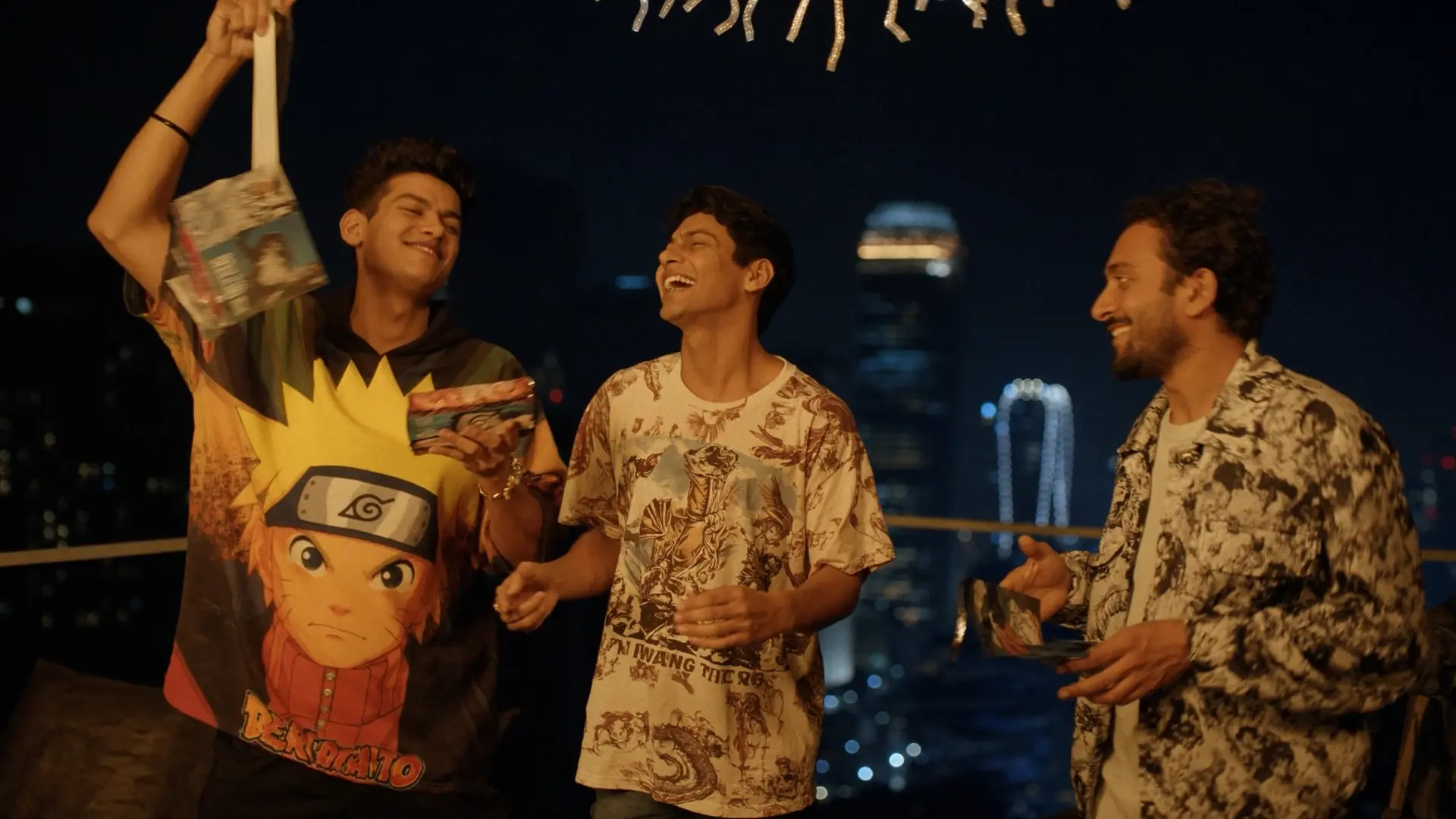
India's anime streetwear community is built on shared identity. The fandom does your marketing for you.
The market is young but it is not empty. A handful of Indian founders have moved early and are building real traction in the anime clothing India space. If you are serious about entering, you need to know who they are and where the gaps are.
Anime Devta is the clearest early mover. Billing itself as "the world's first Indian anime brand," it has built genuine brand equity by leaning hard into Hindu mythology rendered in anime style. Drops featuring Garuda, Narasimha, and Hanuman artwork have earned cult following on Instagram. Price point: ₹799 to ₹1,800. Their positioning is distinct and culturally specific.
Zams Fashion targets the mainstream anime streetwear buyer with Demon Slayer, One Piece, and Naruto designs on premium 100% cotton. Clean execution, growing Instagram following, solid product.
SleekandPeek acts more as an anime merch aggregator than a brand. PRONK carries an anime collection within a broader clothing portfolio. Bibisama targets the otaku streetwear niche with bold aesthetics. Matrikano brings a "desi soul, street edge" identity to mythology-inspired fashion, and it is one of the more developed brand voices in this space.
The critical insight from mapping this landscape: no brand has cracked scale. Most operate below ₹30 lakh monthly revenue. None have achieved the kind of community depth, distribution breadth, or brand recognition that this market deserves. The bar for what constitutes "a dominant brand" in Indian anime streetwear is extraordinarily low right now.
The first Indian anime clothing brand to invest seriously in brand identity, genuine community building, and multi-channel distribution will own this category for years. That window is open today.
India does not need to invent this. The playbook has already been proven in the United States, Japan, and Europe. You just need to adapt it.
Uniqlo's UT line is the clearest case study. Uniqlo turned simple graphic tees featuring Dragon Ball, Naruto, One Piece, and Studio Ghibli into a global cultural merchandise phenomenon. Their anime collaborations consistently sell out within days. A single Uniqlo UT Dragon Ball collection can generate tens of millions of dollars in revenue globally. The model: mass market, accessible price point, high-quality print on a quality base garment, and a licensed property with an existing passionate fanbase.
In the United States, Hot Topic built a business worth over $800 million at its peak on the back of anime and pop culture apparel. BAPE ran anime collaborations that became instant streetwear collectibles. Supreme did limited anime-inspired drops that sold out in minutes and resold at 3x to 5x the retail price. The streetwear community had adopted anime aesthetics long before the mainstream caught up.
In the UK and Europe, anime merchandise is now a standard category in mainstream retail. Primark stocks anime apparel in every major store. ASOS has a dedicated anime section. These mass-market retailers see it as a core fashion category, not a niche.
India is roughly 3 to 5 years behind the West on this adoption curve. The culture is arriving. The spending power is growing. The question is: who will be the Indian brand that rides this wave?
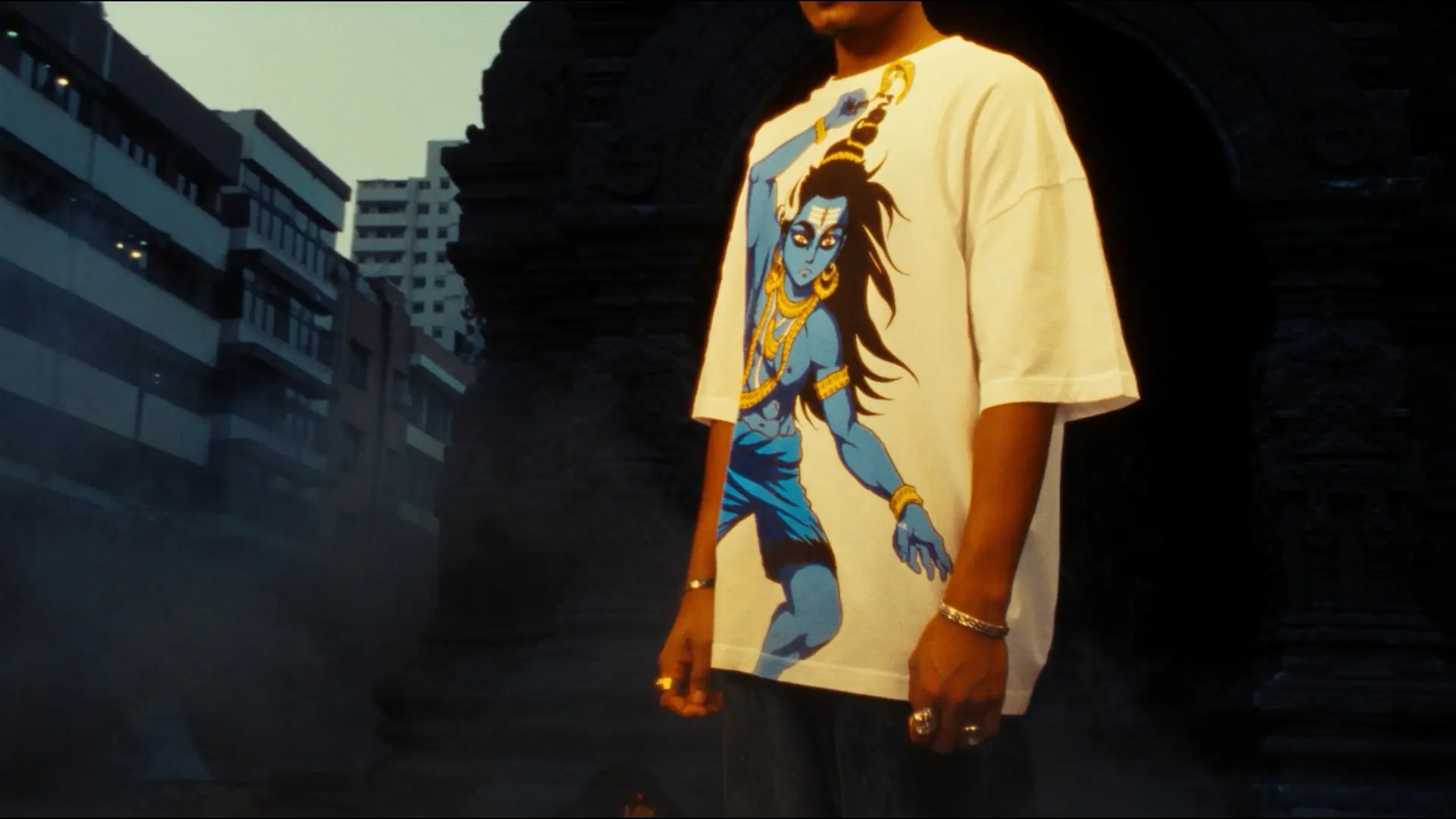
The desi anime aesthetic: sacred Indian iconography meets the visual energy of anime. No Western brand can claim this space.
Beyond licensed anime properties, there is a second and arguably more powerful opportunity sitting entirely untouched in India: the desi anime aesthetic.
Over the past three years, a distinct visual culture has emerged in India's Gen Z creative community: Hindu gods reimagined through the lens of anime art. Lord Shiva with the visual grammar of a Demon Slayer character. Goddess Kali rendered in the dynamic pose style of Dragon Ball Super. Lord Ganesh illustrated in the clean line work of One Piece. Hanuman drawn with the energy and motion of a Naruto battle scene.
This is not a small internet trend. It is a full cultural movement:
The strongest brands in this space are still tiny. Almost Gods has built cult following with premium desi streetwear. Anime Devta is the closest to a breakout player with its mythology-first approach. But none of them have scaled. None have achieved the brand recognition, distribution, or marketing scale that this opportunity deserves.
For an Indian founder, this is the ultimate market advantage: a niche where you have authentic cultural ownership that no Western brand can replicate, combined with the global reach of the anime visual language that already has billions of fans. You are not competing with Uniqlo or Hot Topic in their territory. You are creating your own category.
"The most defensible brand position in India's anime apparel market is the one that fuses Indian cultural identity with the anime visual language. Western brands cannot own this space. Only an Indian brand can."
Something significant has changed in Indian anime streetwear between 2024 and 2026. The category is maturing. And the shift reveals exactly where the next big opportunity is.
The first generation of anime clothing in India was loud and explicit: massive franchise logos, character face prints, bold declarations of fandom. That phase served its purpose. It proved the market existed. But the audience has grown up.
What is replacing it is more interesting and more defensible:
Subtle iconography over loud graphics. A Demon Slayer water-breathing motif woven into the hem of a minimal black tee is more premium than a full-face Tanjiro print on the front. Less screaming, more depth. The market is moving from "I am a fan" to "this is my aesthetic."
Casual cosplay. Indian Gen Z is now integrating anime elements into everyday outfits as a style choice rather than a costume choice. An anime-inspired detail on a sweatshirt sleeve. A subtle Akatsuki cloud pattern on the lining of a jacket. A Sanskrit-meets-kanji typography print on a cap. This is the casual cosplay trend: wearable fandom, not theatrical fandom.
Sanatan streetwear. Perhaps the most distinctly Indian trend emerging in 2025-2026. Brands built on Hindu mythology, Vedic symbolism, and Sanatan cultural identity rendered in contemporary anime visual language are finding audiences that purely Japanese-franchise brands cannot reach. This is cultural ownership. This is a defensible position no foreign brand can replicate. Searches for "Hindu god anime art," "Shiva anime streetwear," and "Sanatan fashion" have spiked across Google India data in 2025-2026.
Hindi and Sanskrit integration. Anime-style typography rendered in Devanagari script. Sanskrit mantras designed with the visual weight and drama of Japanese kanji. The language of your culture, the aesthetic of the world's most popular animation genre. This combination is entirely unique to India and has enormous emotional resonance with a generation proud of their heritage.
The brands that ride this cultural shift early will own customer relationships that go far deeper than fandom. They will be brands that people wear because those brands say something about who they are as Indians.
There is a deeper structural reason why anime and cultural clothing brands outperform generic fashion businesses with Gen Z consumers: identity expression.
Gen Z does not buy clothes. Gen Z buys membership. A Naruto tshirt is not a garment. It is a signal to other fans: I am part of this community, I share this cultural reference, I have this taste. The same dynamic drives streetwear, sports fashion, and band merchandise. The product is the identity signal, not just the item.
This changes the economics of the business completely. A consumer who buys a generic tshirt is comparing price, fabric, and fit. A fan who buys an anime tshirt is making an identity decision. They will pay a premium. They will buy repeatedly. They will tell other fans about the brand. They will post it on social media without being asked. The community does the marketing for you.
India has 560 million people under the age of 25. A significant and growing portion of them are anime fans. Their purchasing power is increasing as they enter the workforce. The cultural moment for this category is happening right now, and it is only going to grow.
Every market opportunity has a window. The anime clothing brand window in India is open right now. Here is exactly why:
The culture has arrived but the brands have not. Demand is real and measurable. The supply side is primitive. This exact gap, proven demand with underdeveloped supply, is where the best brand-building opportunities exist. This is where Almost Gods began. This is where streetwear empires are born.
Social media distribution is free and highly organic. Anime fandom communities on Instagram, YouTube, and Reddit are among the most engaged on the internet. A strong piece of anime-inspired creative content can reach millions of organic impressions without paid ads. The platform algorithms favour this content because it generates high engagement. Your marketing cost-per-acquisition will be a fraction of what it costs a generic fashion brand.
Production infrastructure in India is world-class. India dominates global textile production (60% of the global supply for the Hindu deity apparel segment). Digital textile printing technology now enables intricate, all-over designs with photographic quality at commercially viable price points. You can build a premium product in India at a cost structure that allows healthy margins even at streetwear price points.
The competition is weak. The players in this space today are mostly individual print-on-demand stores with no brand identity, no packaging, no community, and no storytelling. A properly built brand with a clear aesthetic, strong design quality, smart packaging, and genuine community engagement will stand out immediately. The bar is genuinely low.
The theater effect is compounding. Every time an anime film releases in Indian theaters, it creates a cultural moment that pulls more people into the fandom. Demon Slayer brought in a generation of new fans who had never watched anime before. Dragon Ball Super theatrical releases are watched by people who grew up on Dragon Ball Z in the 2000s. Each release expands the market. There are multiple major anime theatrical releases planned through 2026 and 2027.
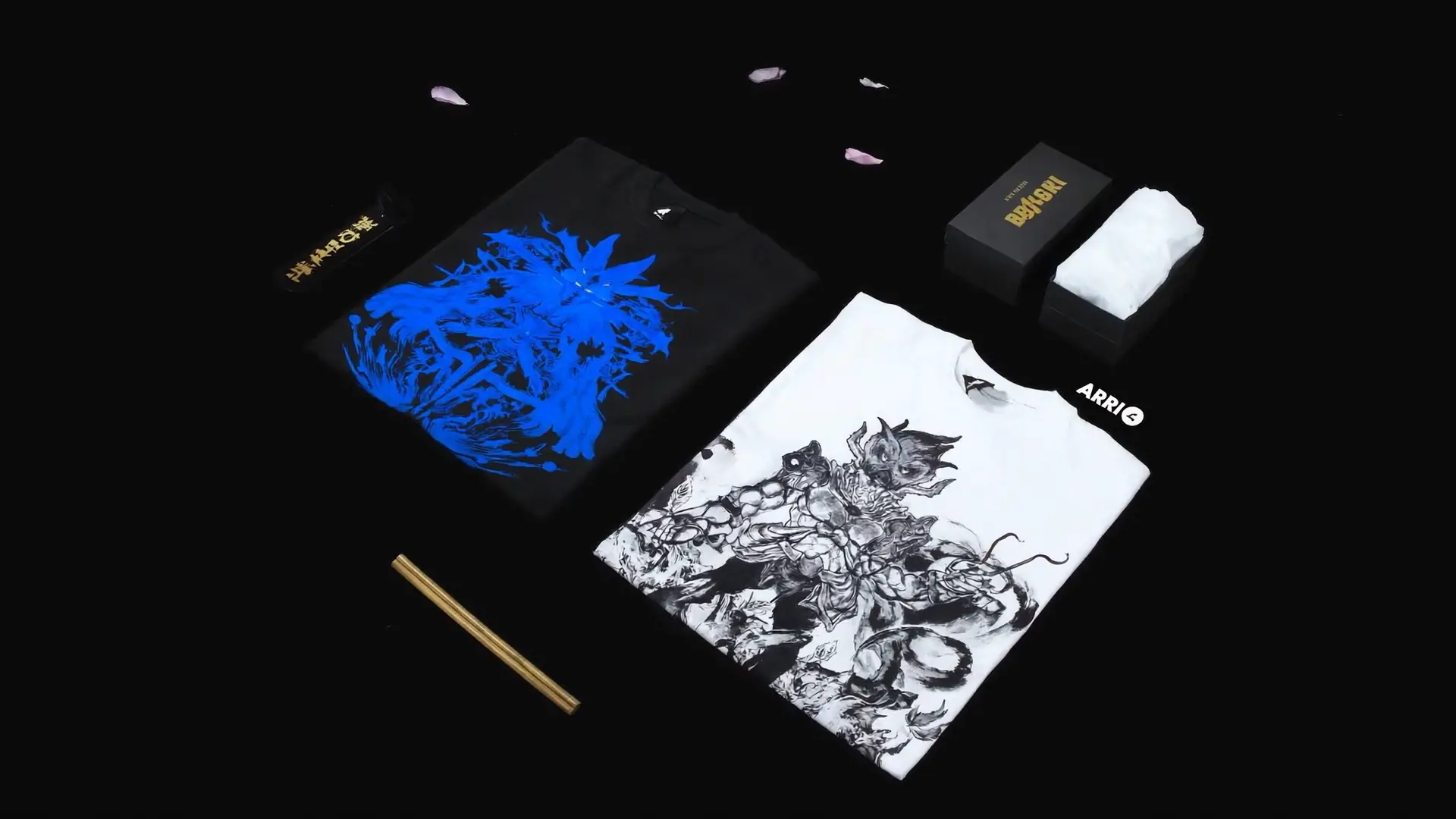
The difference between a brand and a tshirt store is packaging, identity, and the experience of unboxing.
Every anime clothing brand needs a starting lineup. Launch too many SKUs and you spread working capital across inventory that may not move. Launch too few and you cannot build a complete brand experience. Here is the hierarchy that works:
Every week, someone new tries to enter this market by opening a Shopify store and uploading some Naruto prints. Most of them fail within a year. The reason is simple: they built a tshirt store, not a brand.
A brand has a visual identity: a logo, a design system, a color palette, a typography choice, a packaging aesthetic that is immediately recognisable. When a fan sees your product on someone else's Instagram story, they should be able to identify the brand before they even see the tag.
A brand has a point of view: a creative direction that feels consistent and intentional. Are you premium streetwear? Are you festival wear? Are you collector-quality limited drops? Are you the brand that fuses Indian spirituality with anime energy? Are you the casual cosplay brand for everyday wear? You need to know who you are before your customers can.
A brand has community: it builds relationships with fans, collaborates with artists and creators in the space, and creates content that people genuinely want to share. The best anime brands are part of the culture, not selling to it.
A brand has a story: your brand's origin, your design philosophy, the cultural perspective that makes your aesthetic yours. In the anime clothing India market specifically, this story is everything. Why are you the right person to build this brand? What do you know about this culture that a generic streetwear brand does not?
This is where the work happens. And this is exactly the work that Indiibot builds for brands. From brand identity and design systems to social media content strategy and performance marketing, we have built 50+ brands across India's most competitive categories. We know what it takes to go from idea to brand that sells.
If you are serious about building an anime or cultural clothing brand in India, the most important thing you can do right now is get the brand foundation right before you spend a single rupee on inventory or ads.
If you are thinking about building an anime or cultural clothing brand in India, leave your details below. We will review your idea and set up a call to map out exactly what your brand needs to win this market.
Yes, and the gap between demand and quality supply makes it more profitable than most fashion categories. India's anime market is valued at $1.098 billion (2024) and the merchandise segment is projected at $528 million by 2030 at 12.9% CAGR. Most current supply is low-quality or imported at ₹1,500 to ₹3,000 per piece. A brand that delivers quality at a fair price point has enormous room to grow.
Current players include Anime Devta (India's first desi anime brand with Hindu mythology designs, ₹799 to ₹1,800 price range), Zams Fashion (anime streetwear, premium cotton), SleekandPeek (merch aggregator), PRONK, Bibisama, and Matrikano (mythology streetwear). None have scaled beyond early cult following. The first brand to invest seriously in identity, community, and distribution will own this category.
For officially licensed properties (Naruto, Dragon Ball, One Piece, Demon Slayer), you need a license from the IP holder. Bandai Namco and Toei Animation hold most major licences. However, many successful Indian brands focus on original artwork inspired by anime aesthetics, or on the desi anime niche (Hindu gods in anime art style), which avoids licensing requirements entirely. Starting with original art-based designs is a smarter entry point for most founders.
The desi anime aesthetic fuses Indian cultural imagery (Hindu gods, Sanskrit motifs, Vedic symbolism) with the visual grammar of anime: dynamic poses, bold linework, dramatic lighting. It is uniquely Indian space that no Western brand can authentically occupy. It requires no licensing. It has massive organic reach on Indian social media. Search volume for "Hindu god anime art" and "Shiva anime" has grown over 300% in two years. This is the white space in India's anime apparel market right now.
A lean print-on-demand launch can begin for ₹3 to 5 lakh. A proper brand with inventory, packaging, and a digital marketing presence typically requires ₹10 to 25 lakh. The most important investment is in brand identity: the logo, design system, packaging, and creative direction. Brands that skip this step end up as commodity tshirt sellers. Brands that invest in identity become the ones with community, loyalty, and premium pricing power.
The strongest franchises for merchandise in India are Naruto (nostalgia-driven, 20 to 30 year olds), Dragon Ball Z (multi-generational, very broad), One Piece (surging after the Netflix live-action series), Demon Slayer (houseful theatrical releases), and Jujutsu Kaisen (college student favourite). My Hero Academia (Boku no Hero Academia) is fast-growing. For original art brands, Hindu god anime art featuring Shiva, Hanuman, and Ganesh is the fastest-growing niche with no dominant brand yet.