Branding · February 2025 · 6 min read
5 ELEMENTS OF A LUXURY BRAND IDENTITY.
By Fenil Dhorajiya, Founder, Indiibot Technology

By Fenil Dhorajiya, Founder, Indiibot Technology
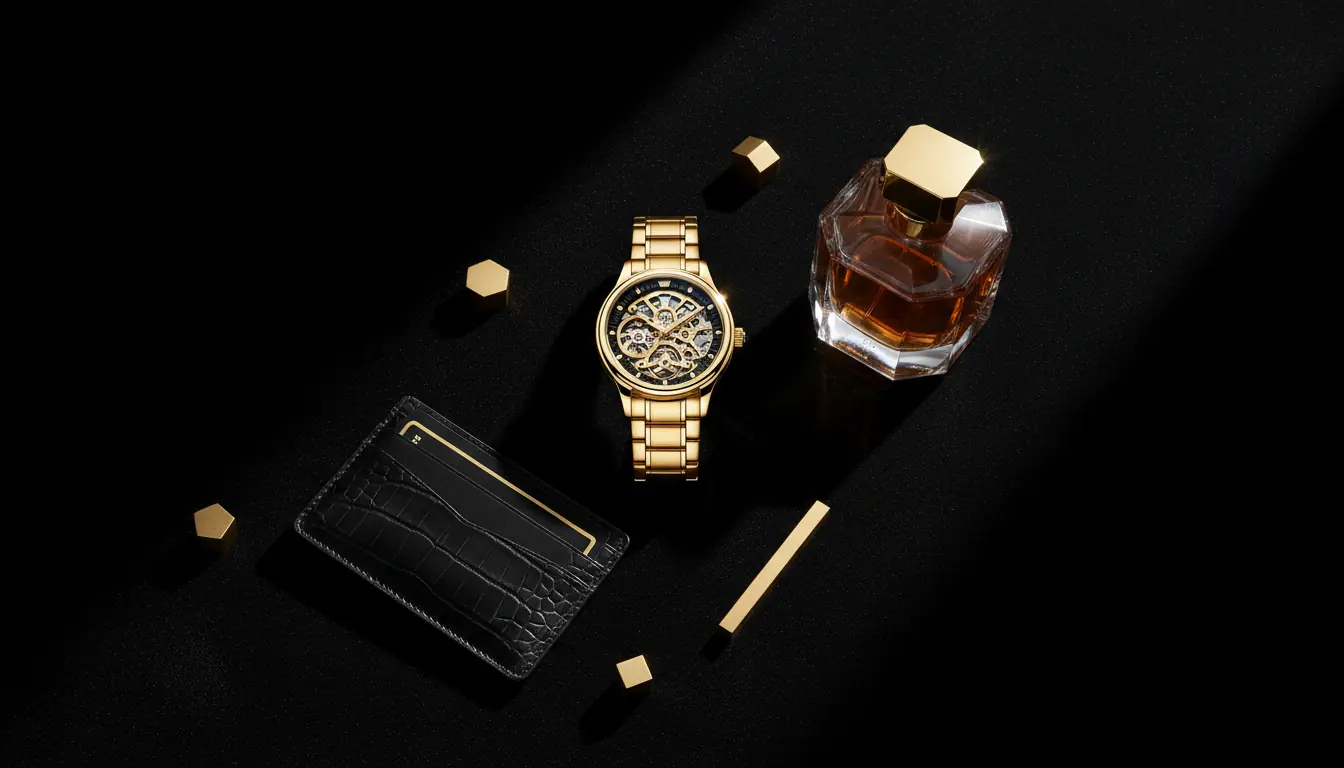
Luxury isn't about price. It's about perception. A ₹200 pen can feel cheap. A ₹2,000 pen can feel worth every rupee, if the brand is built right. The difference is almost entirely in how the brand identity is constructed.
Here are the five elements that separate brands that command premium prices from ones that perpetually compete on discounts.
Luxury brands use less, not more. Generous white space, minimal colour palettes (often monochromatic or two-tone), and clean typography signal confidence. When a brand feels busy or crowded, it signals insecurity. When it's stripped back, it signals that the product itself is the statement.
What to do: Audit your brand. Remove any visual element that isn't earning its place. If you need to explain why something is there, remove it.
Luxury brands invest in typography. A carefully chosen serif typeface for headlines paired with a refined sans-serif for body text communicates heritage, craft, and attention to detail. Typefaces like Canela, Editorial New, or Playfair Display carry entirely different cultural associations than default system fonts.
What to do: Choose your typefaces deliberately. Understand what each one communicates before committing. Typography is brand personality made visible.
Premium brands sell stories, not features. Rolex doesn't sell watches, it sells legacy. Apple doesn't sell computers, it sells thinking differently. Your brand narrative should connect your product to something your customer deeply values: status, craft, belonging, self-expression, or transformation.
"People don't buy what you do. They buy why you do it.", Simon Sinek
What to do: Write your brand story in one paragraph. If it reads like a features list, rewrite it as a human story about why this brand exists and what it stands for.
Luxury extends to every sense. The packaging that feels heavy in your hand. The unboxing experience that slows you down. The font choice on the tag. The smell of the store. Premium brands engineer every sensory touchpoint with intention, because every interaction is a brand communication.
What to do: Map every touchpoint your customer has with your brand and rate each one's quality. Where does the experience dip? Those are your brand's weak links.
Availability kills luxury. When everyone can have it, nobody wants to pay a premium for it. This doesn't mean you have to limit production forever, but it does mean being careful about how broadly you distribute, how often you discount, and how easily accessible you make your brand. Scarcity (real or perceived) protects premium positioning.
What to do: Review your distribution and discount strategy. Every discount trains your customer to wait for a sale. Every new distribution channel risks diluting your brand's exclusivity.
The most important thing to understand about luxury brand building is that it's a long game. You can't shortcut your way to perceived value. But if you're consistent, in visuals, narrative, experience, and pricing discipline, premium positioning compounds over time.
See how we built the Arica Diamonds identity from naming to logo, and the Auric Charms brand from zero to first customer order.
The Indian luxury market is projected to reach $200 billion by 2030, and the brands winning it are not the ones with the biggest budgets. They are the ones with the sharpest positioning. A few Indian examples worth studying:
What these brands share is not just aesthetics but discipline. The luxury premium is a product of consistently choosing brand integrity over short-term commercial convenience. One flash sale, one off-brand collaboration, one poorly photographed post can take months of equity-building to recover from.
For emerging Indian luxury brands in jewellery, skincare, and lifestyle: your market is real and growing. The India premium consumer segment grew 27% in FY2024-25. Most founders competing here are doing so with generic aesthetics and inconsistent execution. A properly built luxury brand identity is a significant competitive advantage right now.
A question founders always ask: how much to budget for a premium brand identity. Realistic ranges for the Indian market in 2026:
A complete luxury brand launch for a jewellery or skincare startup typically runs Rs. 2 lakh to Rs. 6 lakh when done properly. Founders who cut corners on this investment almost always spend more to fix it later, because a weak brand foundation makes every downstream marketing investment less effective.
Ready to build a brand that commands the price it deserves? Let's talk.
What makes a brand feel luxury instead of just expensive?
Restraint in visual design, generous white space, minimal colour palettes, clean typography, premium packaging, and consistent execution across every touchpoint. A busy or crowded brand signals the opposite of confidence, regardless of price.
Can a small or new brand build a luxury identity?
Yes. Luxury identity is a design and strategy discipline, not a function of budget or brand age. Small D2C and jewellery brands can command premium pricing from launch if the identity is built correctly.