Brand Building · June 2026 · 22 min read
HOW TO BUILD A JEWELLERY BRAND IN INDIA: COMPLETE 2026 GUIDE.
By Fenil Dhorajiya, Founder, Indiibot Technology LLP, Surat

By Fenil Dhorajiya, Founder, Indiibot Technology LLP, Surat
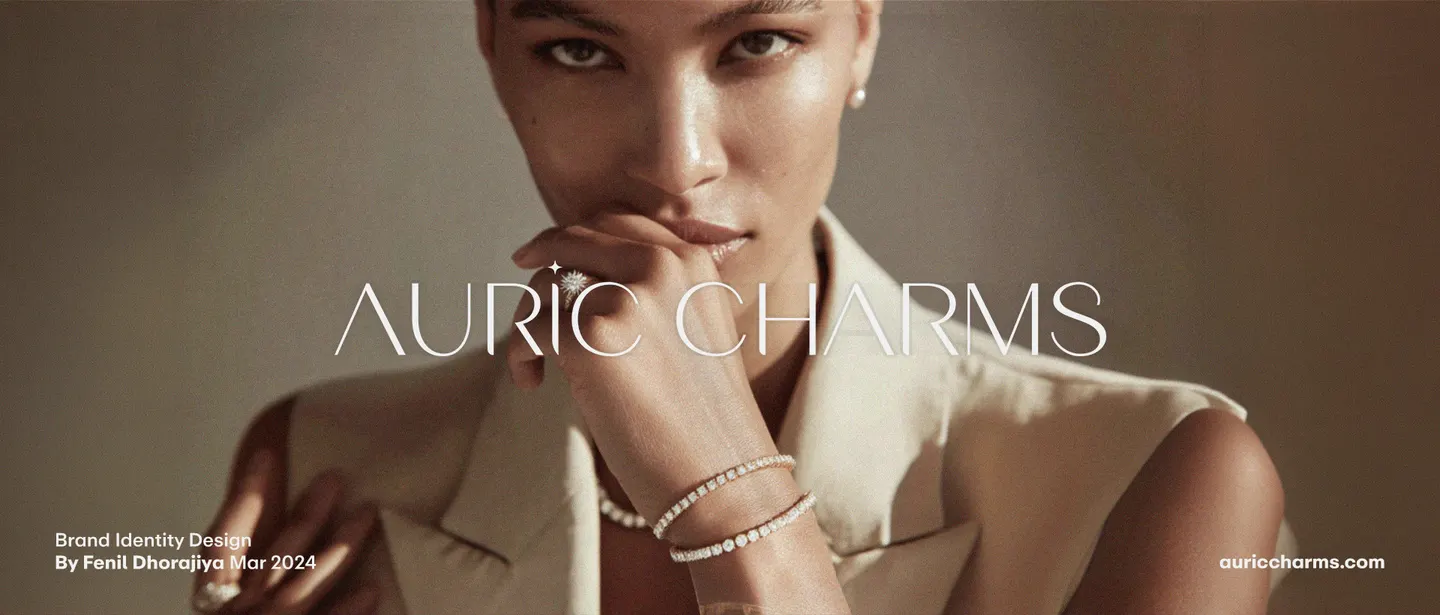
Most jewellery founders make the same mistake. They spend months choosing the right gold supplier, perfecting stone quality, and designing the first collection. Then they open an Instagram account, post a few product photos with a phone camera, and wonder why no orders come in.
The jewellery is excellent. The brand is invisible.
India's jewellery market is worth over Rs. 5 lakh crore and growing at 15% annually. The lab grown diamond segment alone is growing at 20% per year. Every major city has hundreds of jewellery brands all selling similar products at similar prices. The brands that grow are not necessarily the ones with the best jewellery. They are the ones with the strongest brand.
This guide is the complete playbook for building a jewellery brand in India in 2026. Every phase, every decision, and real examples from jewellery brands we have built at Indiibot Technology from our studio in Surat, Gujarat.
Before you design a logo or buy packaging, you need to answer one question with brutal clarity: who is your exact buyer, and why should they choose you over every other jewellery brand they could find?
Most jewellery founders avoid this question because the honest answer forces them to narrow down. They want to sell bridal jewellery AND everyday jewellery AND gifting jewellery AND lab grown diamonds. That attempt to be everything to everyone is why most jewellery brands remain invisible.
The jewellery market in India has very distinct buyer segments, each with completely different behaviour, price expectations, and content preferences:
Pick one buyer. Build entirely for them. You can expand later. But you cannot win everywhere when you are starting with nothing. Specificity is what makes a brand memorable, searchable, and referrable.
Fenil Dhorajiya, Indiibot TechnologyOnce you know your buyer, the next question is positioning: what is the one thing you stand for that no other jewellery brand in your category already owns? It could be "lab grown diamonds for the modern Indian couple." It could be "everyday minimal gold for working women." It could be "luxury gifting jewellery that ships in 24 hours." Whatever it is, it needs to be specific enough to be ownable and meaningful enough to matter to your buyer.
A brand name is the most permanent decision you will make. Unlike a logo or a colour palette, a name is nearly impossible to change once customers know it. A domain, an Instagram handle, and potentially a trademark: all anchored to that name. Get it right before everything else.
For jewellery brands in India, names fall into four categories:
For modern D2C jewellery brands in 2026, invented and evocative names consistently outperform descriptive ones. They are easier to trademark, easier to build a visual identity around, and they do not box you into a single product category.
The naming process at Indiibot typically generates 40 to 60 candidate names for a jewellery brand before shortlisting 5 to 8 for the founder to evaluate. We check domain availability, Instagram handle availability, trademark conflicts on the IP India portal, and phonetic clarity in both Hindi and English. Only then do we present options.
Most people think a brand is a logo. A logo is the tip of the iceberg. The brand identity that sits beneath it: the typography system, the colour palette, the visual language, the tone of voice: that is what creates a consistent and recognisable brand across every touchpoint: packaging, Instagram, website, invoices, business cards, and the store.
For jewellery brands, the visual identity must do two things simultaneously: communicate the correct price point and communicate the correct personality. A luxury gold jewellery brand with a playful sans-serif logo sends the wrong signal. A young D2C lab grown diamond brand with an ornate serif logo and deep burgundy palette feels dated and unapproachable to its buyer.
What a complete jewellery brand identity includes:
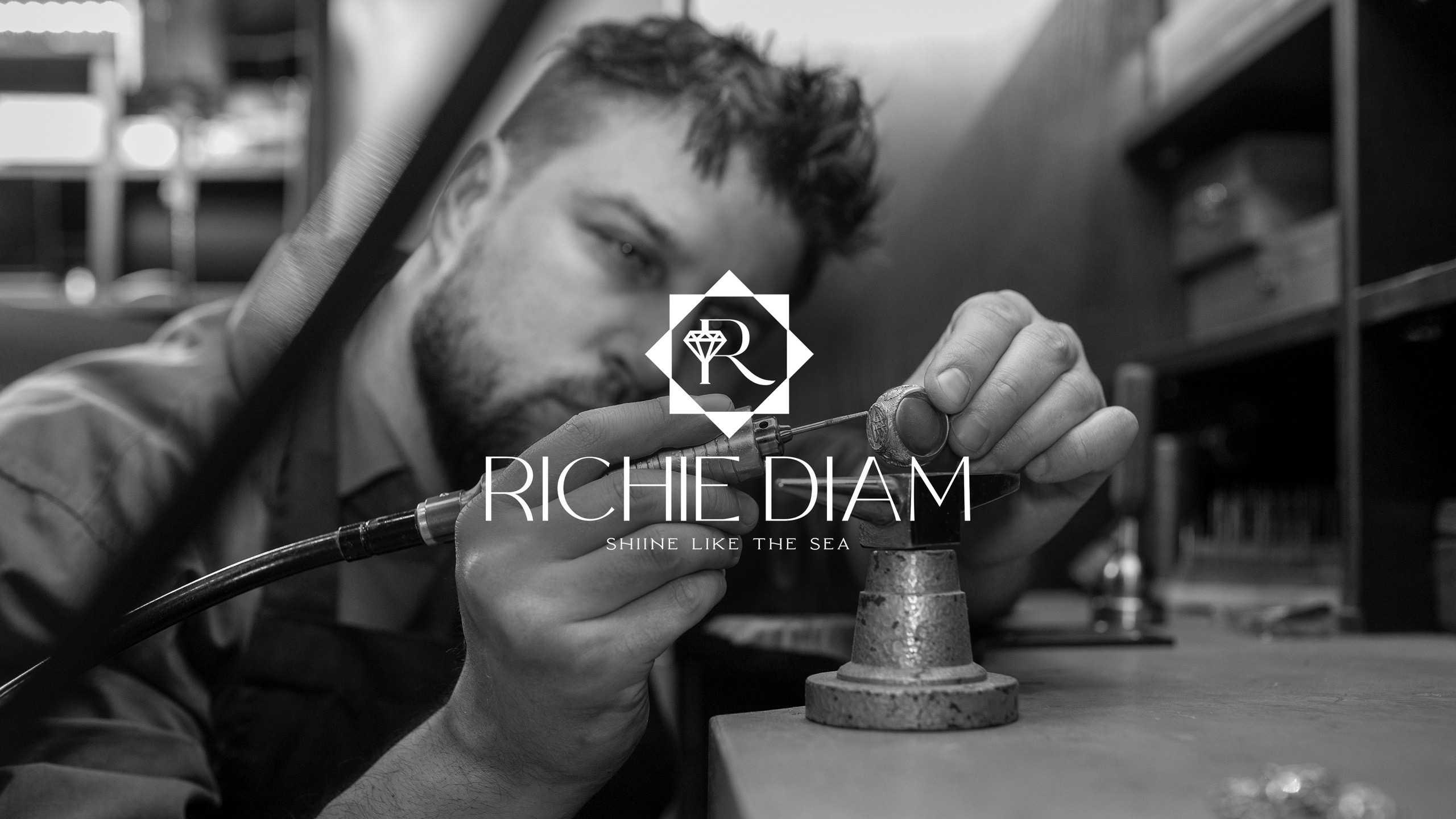
Richie Diam: Diamond brand identity. Architectural and precise.

Saya Ornaments: Identity redesign. Heritage meets modernity.
Two jewellery brands selling the same product at the same price will convert differently if one has a Rs. 3,000 logo and one has a Rs. 80,000 brand identity. The buyer's trust: which is what they are actually purchasing when they buy jewellery online: is built by everything the brand shows them before they see the product.
For a jewellery brand that sells online, the packaging is the first physical experience your buyer has with your brand. Everything before that moment: the Instagram post, the website, the checkout process: is digital. The box in their hands is real.
That moment matters more for jewellery than for almost any other product category. Jewellery is bought as a gift, worn for celebrations, given to mark meaningful moments. When the package arrives, the buyer (or their gift recipient) will remember that experience. If the box is beautiful, they will photograph it and share it. That is free marketing. If the box is a generic white shipping box with a plain pouch inside, that moment is a missed opportunity that your competitor will take.
What good jewellery packaging includes:
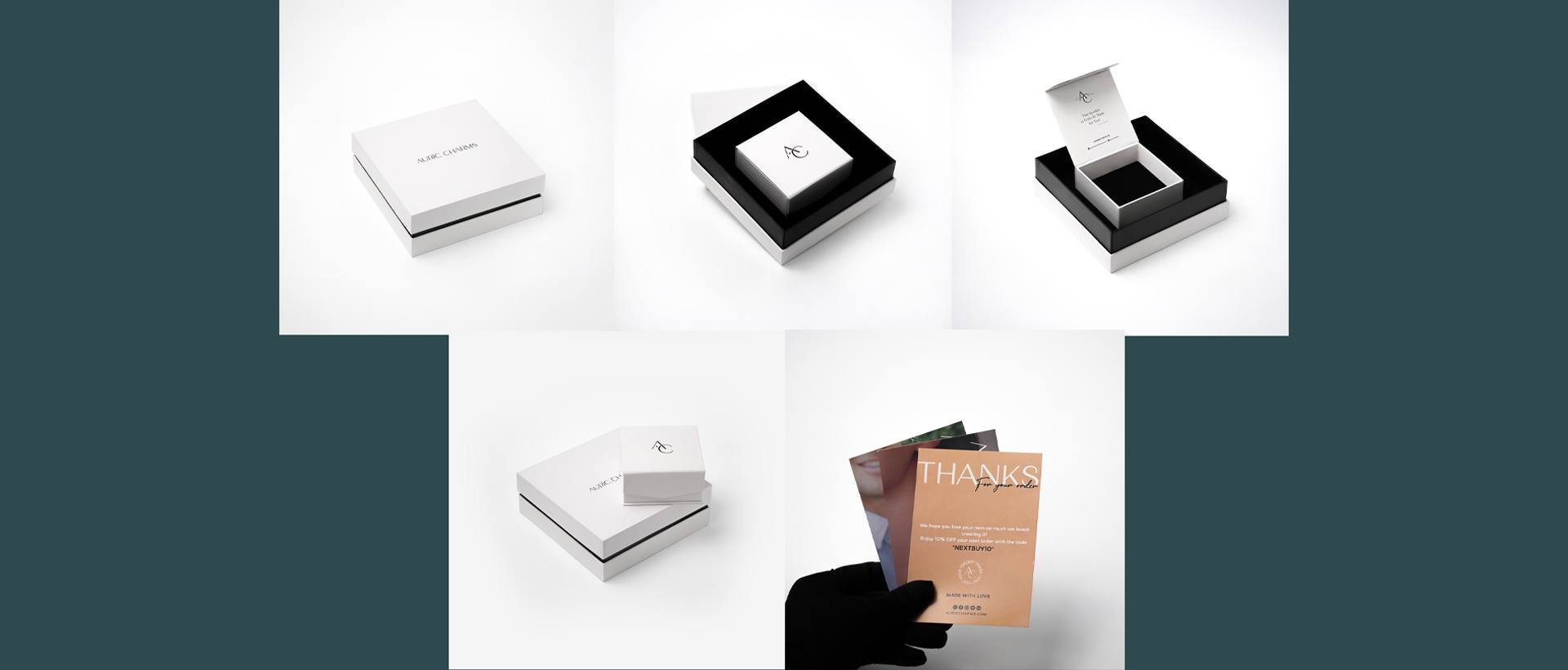
Auric Charms packaging: designed to create an unforgettable unboxing moment. Every element was chosen to communicate lab grown luxury.
Nobody buys jewellery online that they cannot see clearly. The photograph is the product for an online jewellery buyer. Poor photography: overexposed, blurry, inconsistent, shot on a phone in bad lighting: kills conversion before the price is ever seen.
Jewellery photography in India falls into three distinct types, each with a different purpose and each essential for a complete content library:
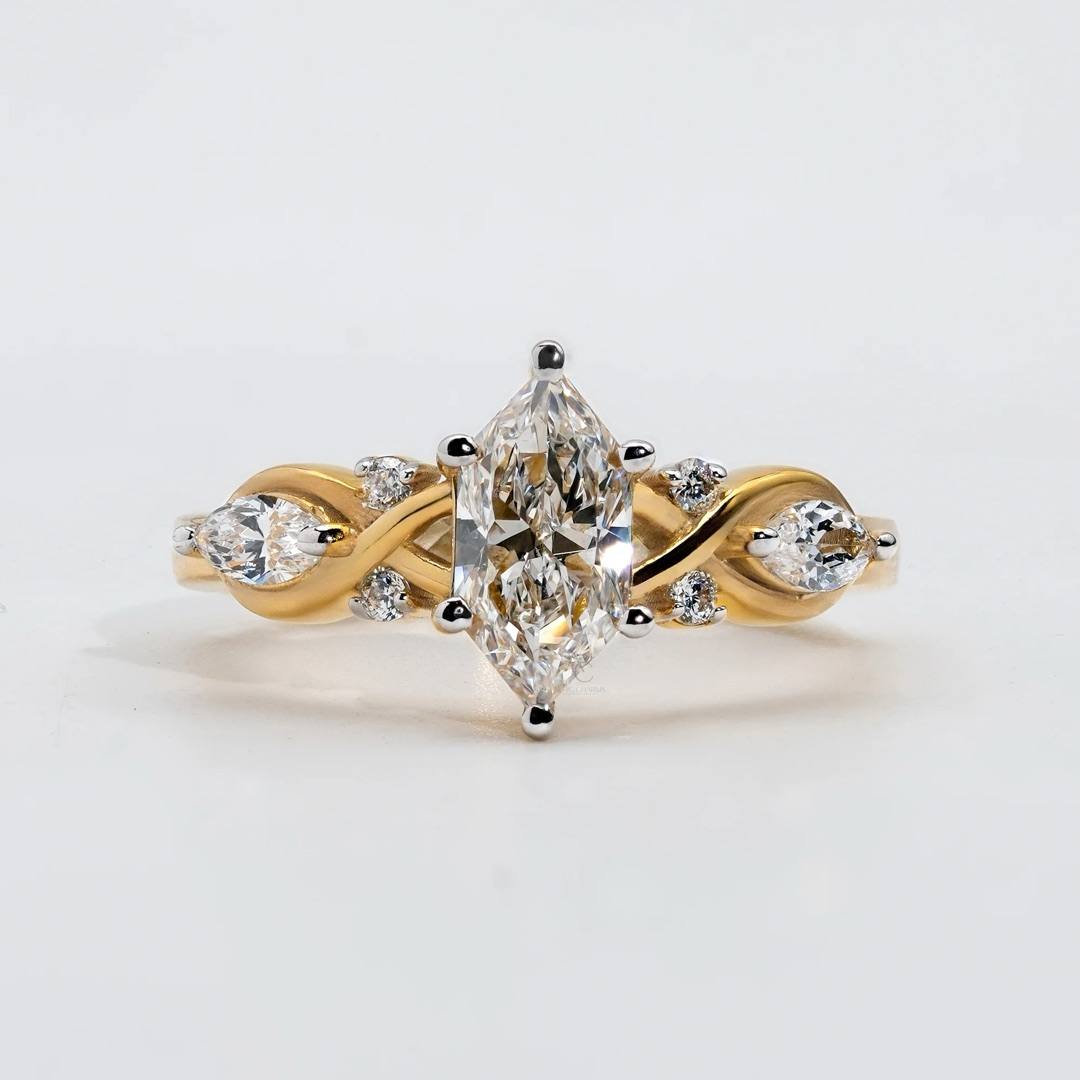
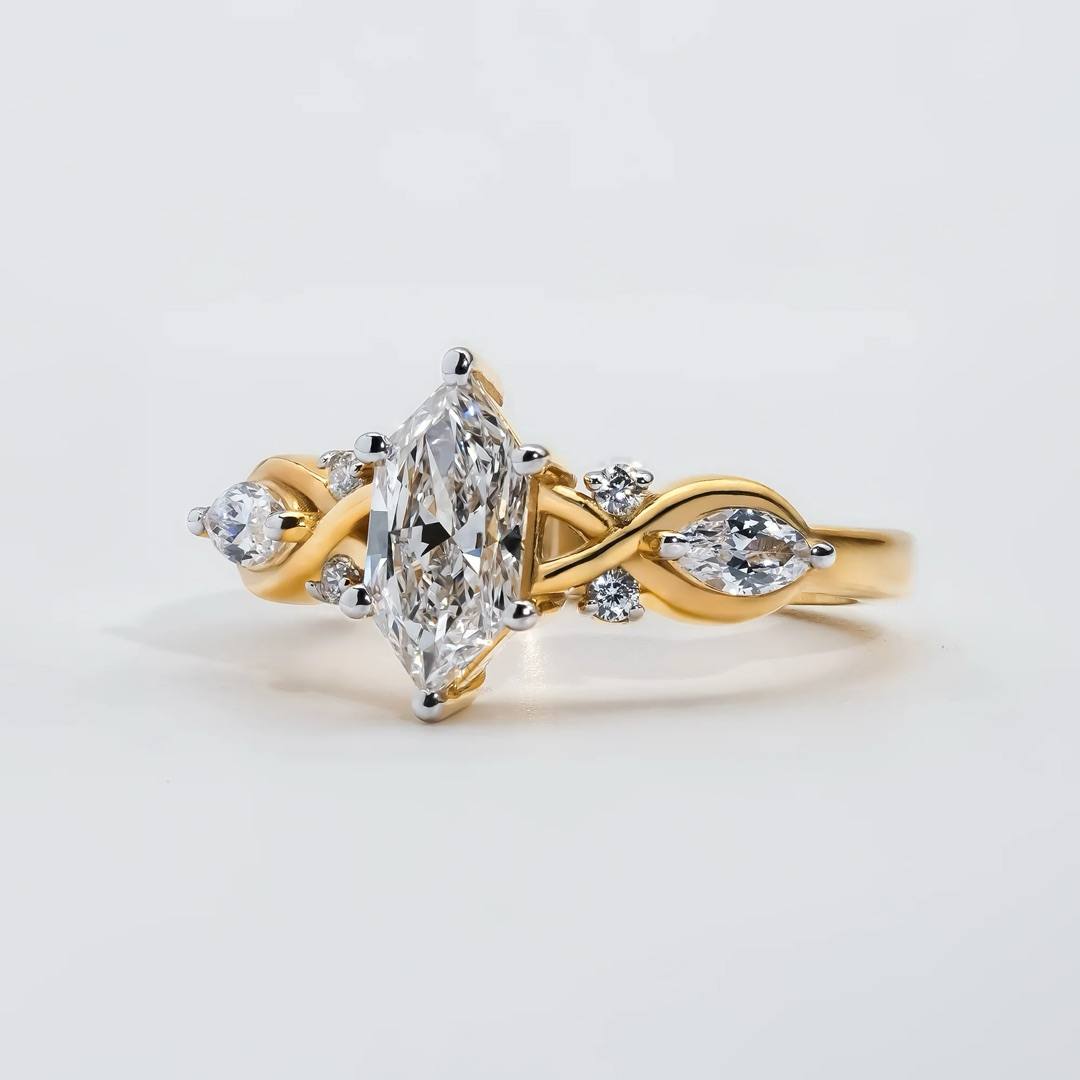
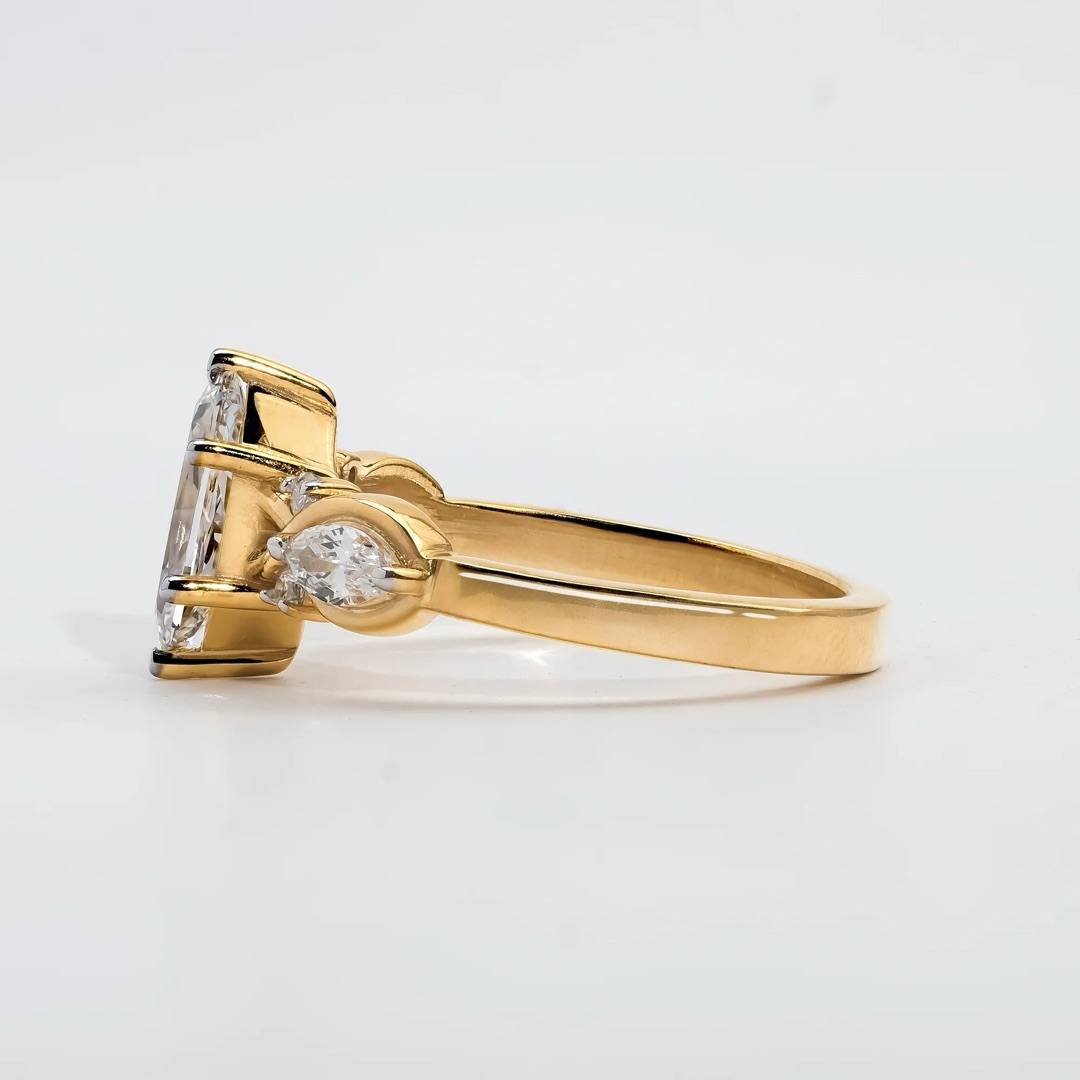
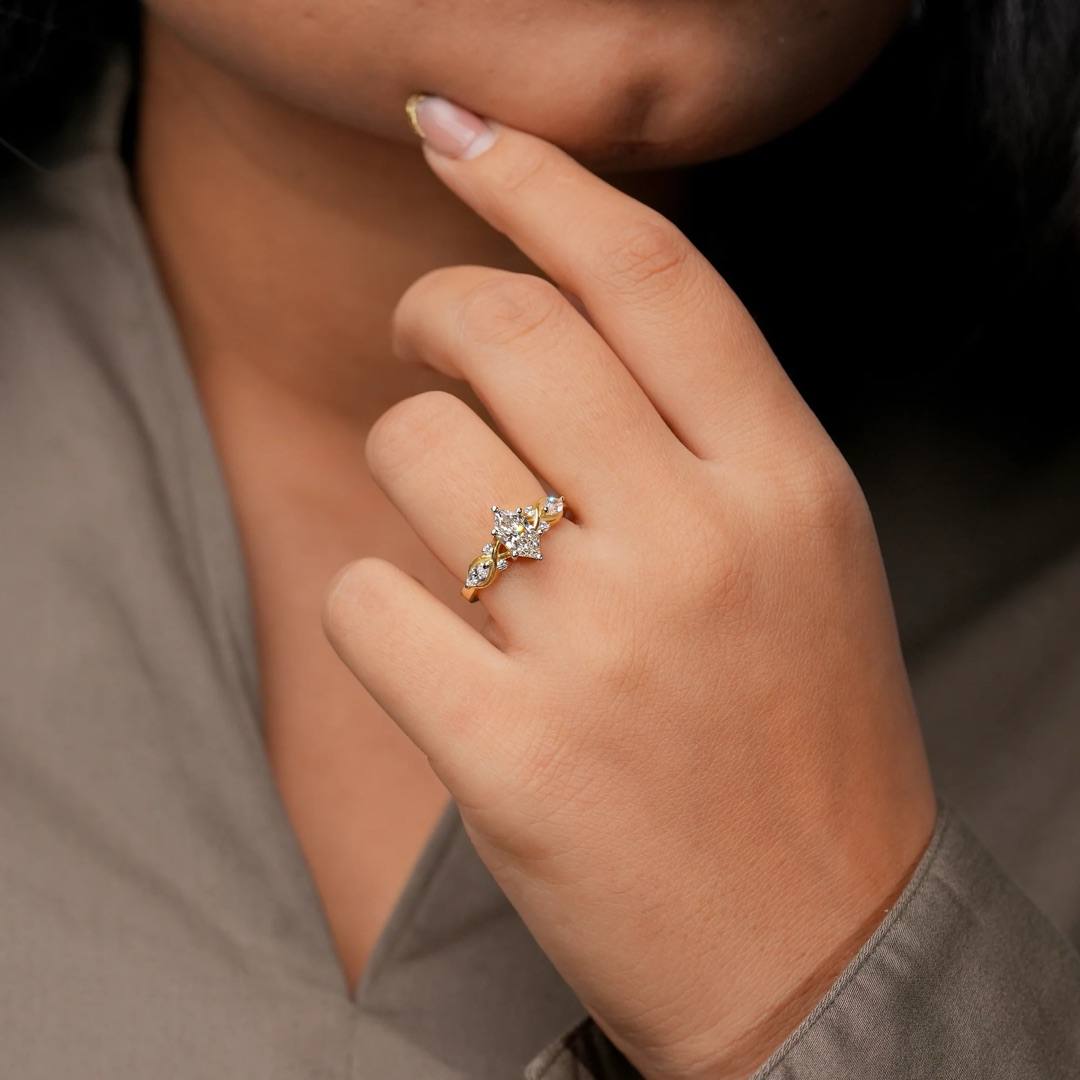
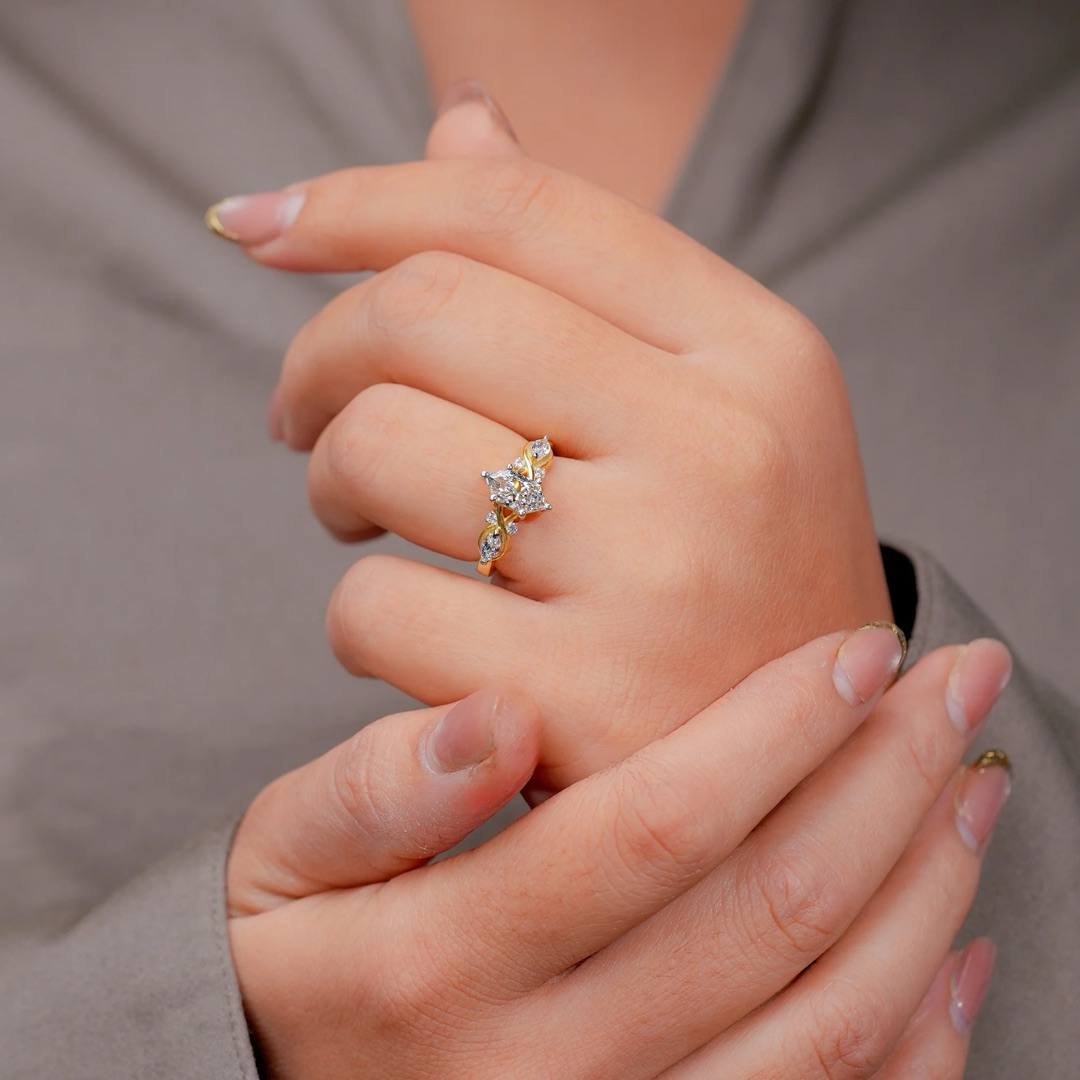
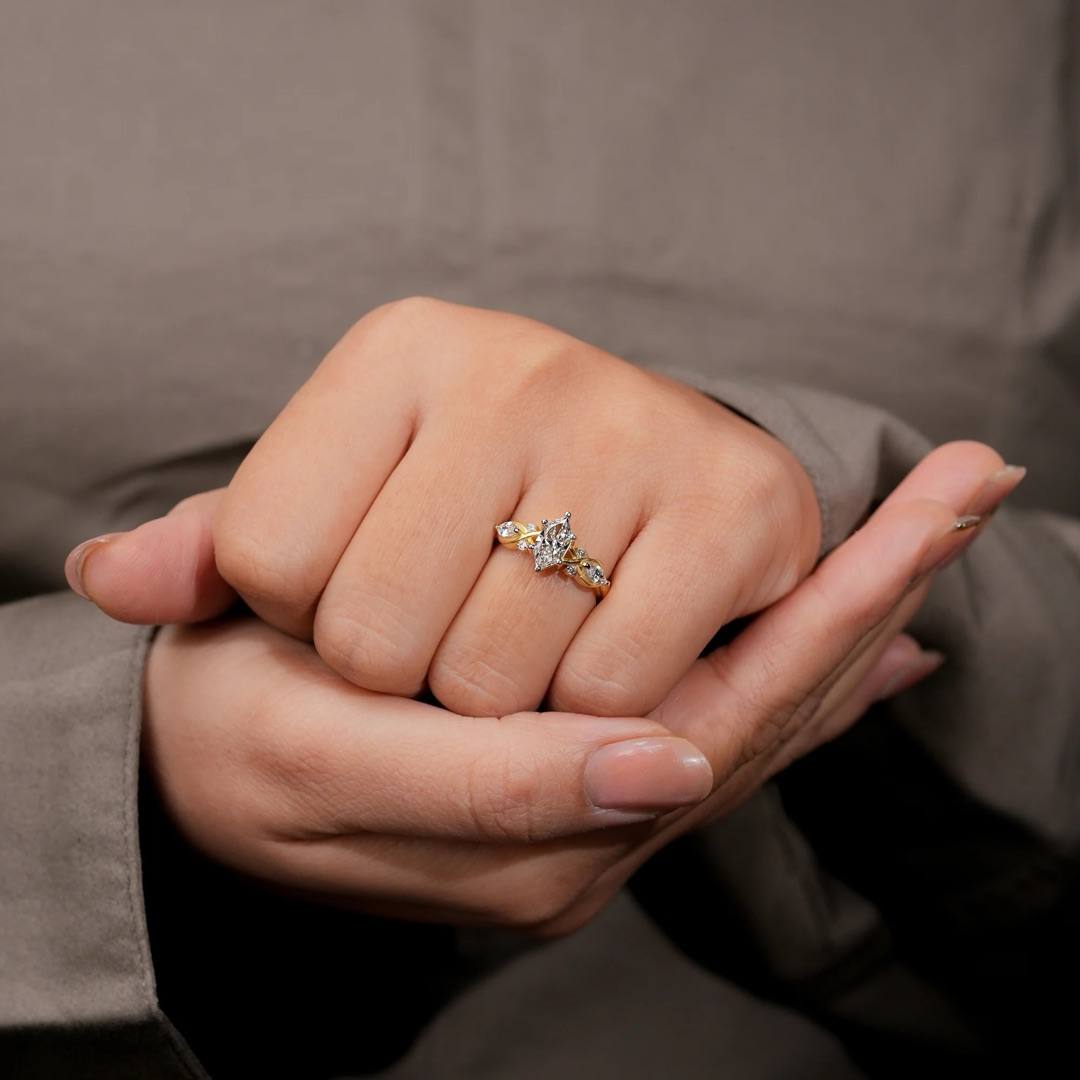
Auric Charms full brand shoot: product, lifestyle, and editorial photography. All shot and directed by Indiibot, Surat.
A jewellery buyer cannot touch your product before purchasing. Your photography must do what a sales associate in a physical store does: show every angle, capture the sparkle, and make the buyer feel the piece before they own it.
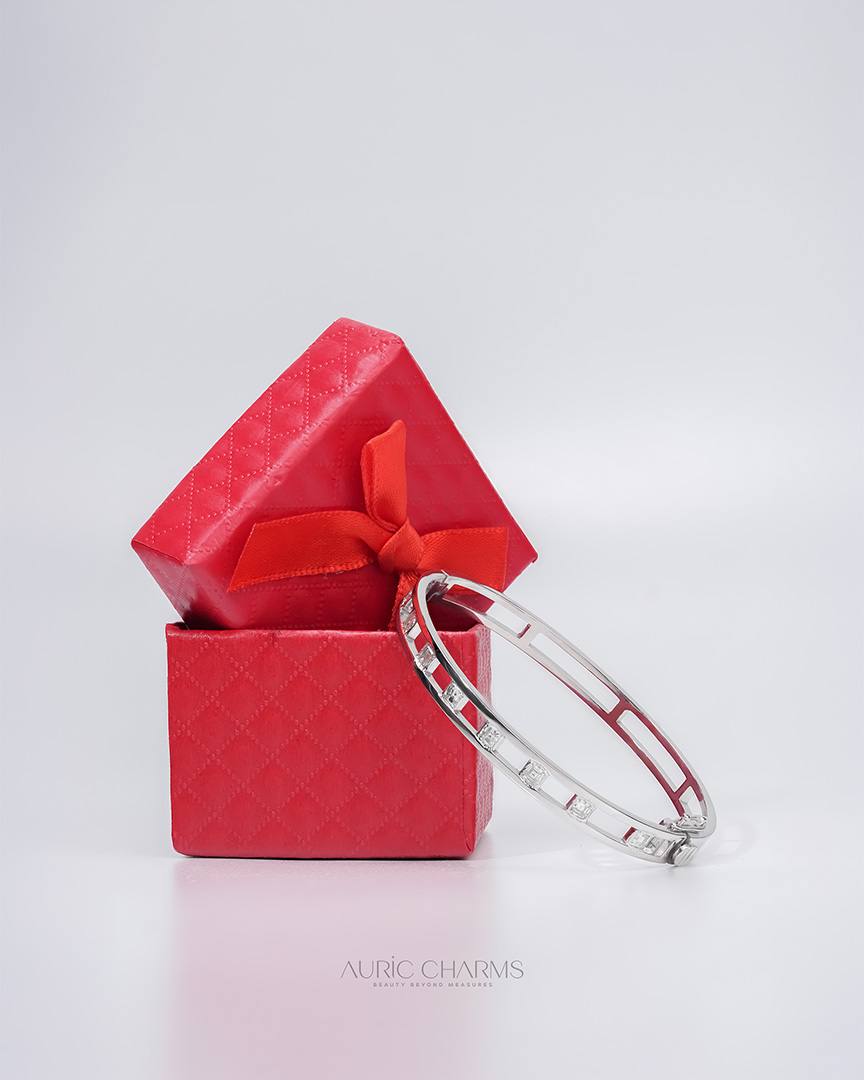
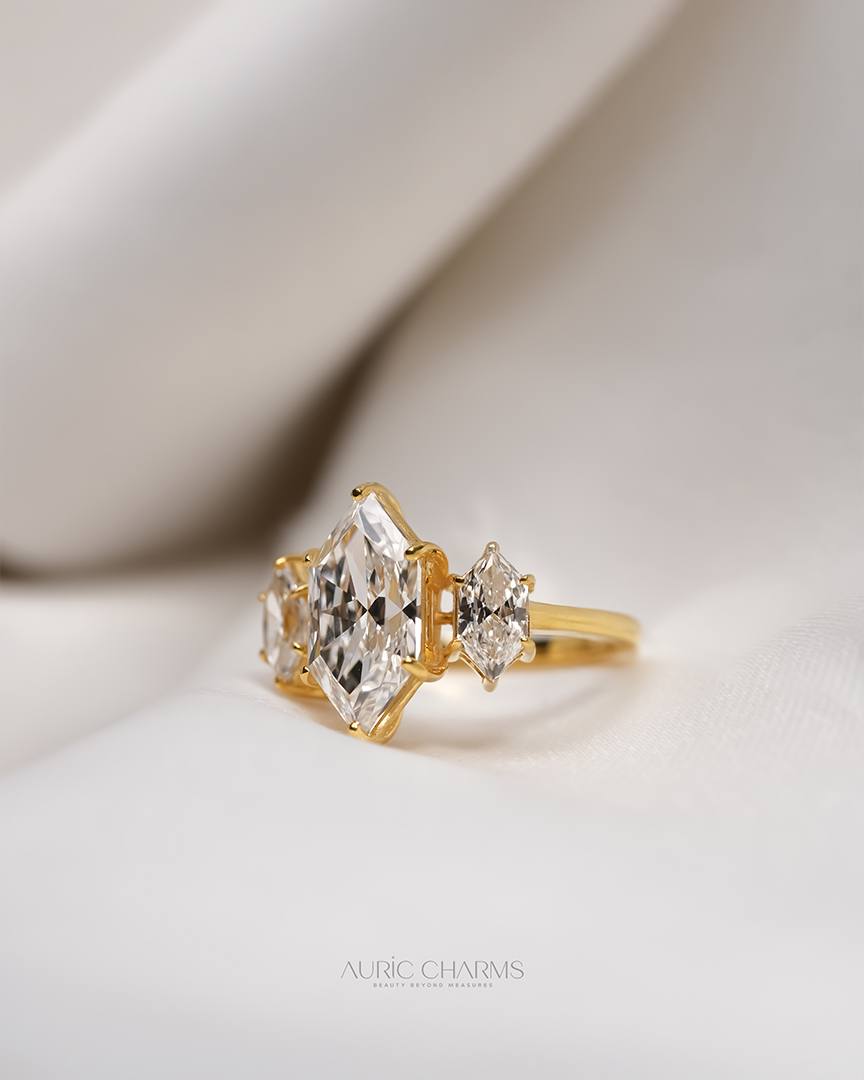
Auric Charms social media content: designed for Instagram. Brand consistent, high-quality, built to sell.
Instagram is the primary discovery and sales channel for D2C jewellery brands in India. But most jewellery founders approach Instagram as an advertising billboard: posting product photos with prices and waiting for orders. That approach fails.
The jewellery brands that build large, engaged Instagram followings in India are the ones that build content around three pillars: education, emotion, and evidence.
The Instagram algorithm in 2026 rewards Reels above all else. Jewellery brands that post 3 to 5 Reels per week consistently outgrow brands that only post static images. Reels do not need to be highly produced: unboxing videos, "how it was made" content, quick styling tips, and before-after reveals all perform well when they are authentic and well-lit.
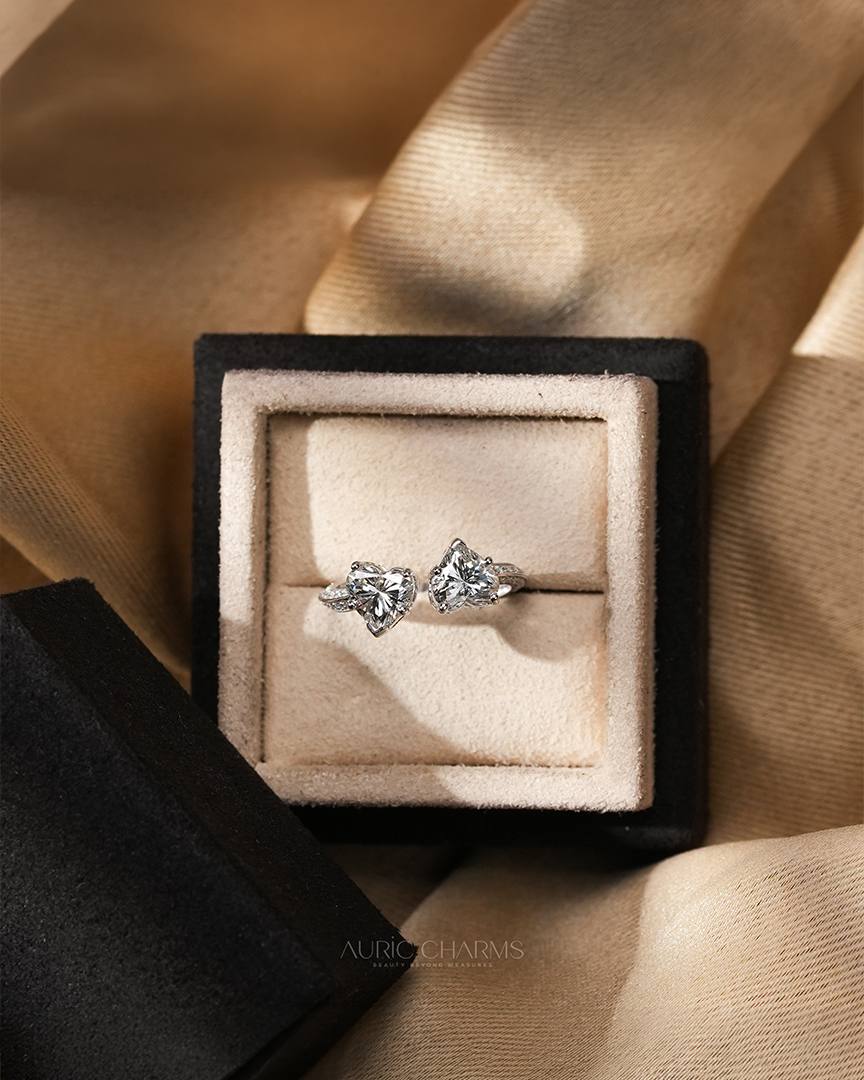
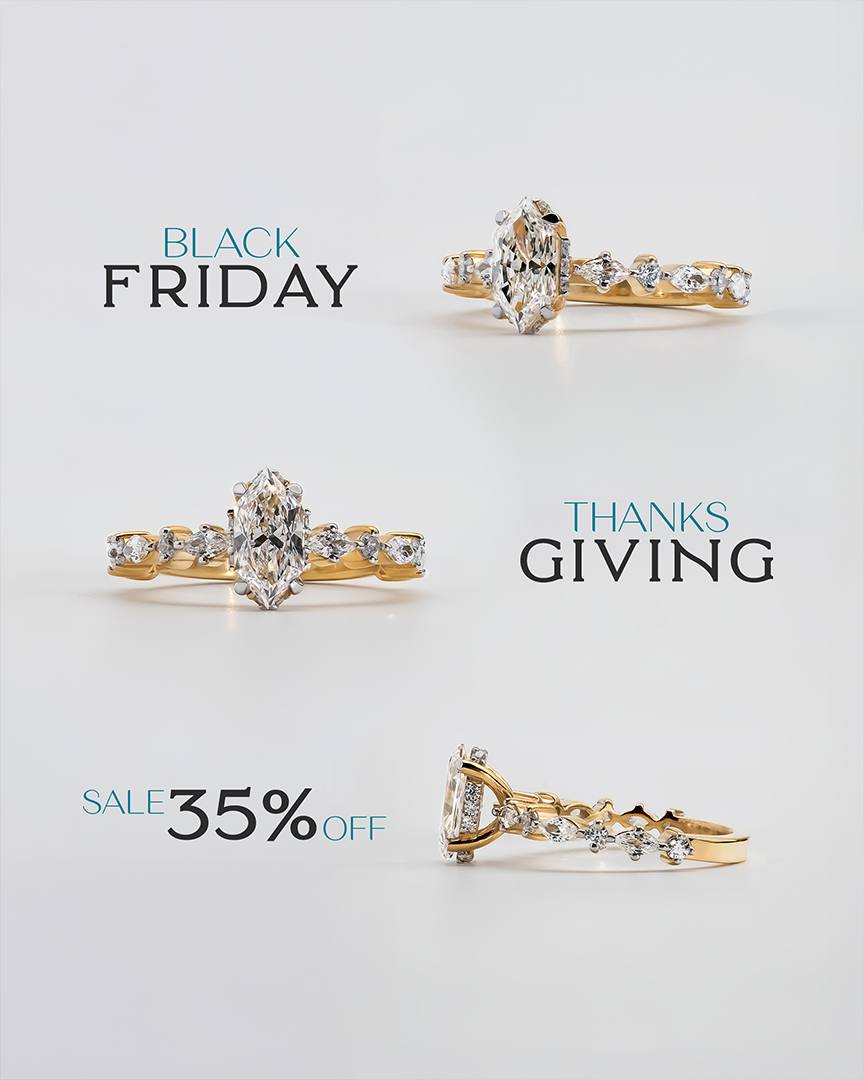
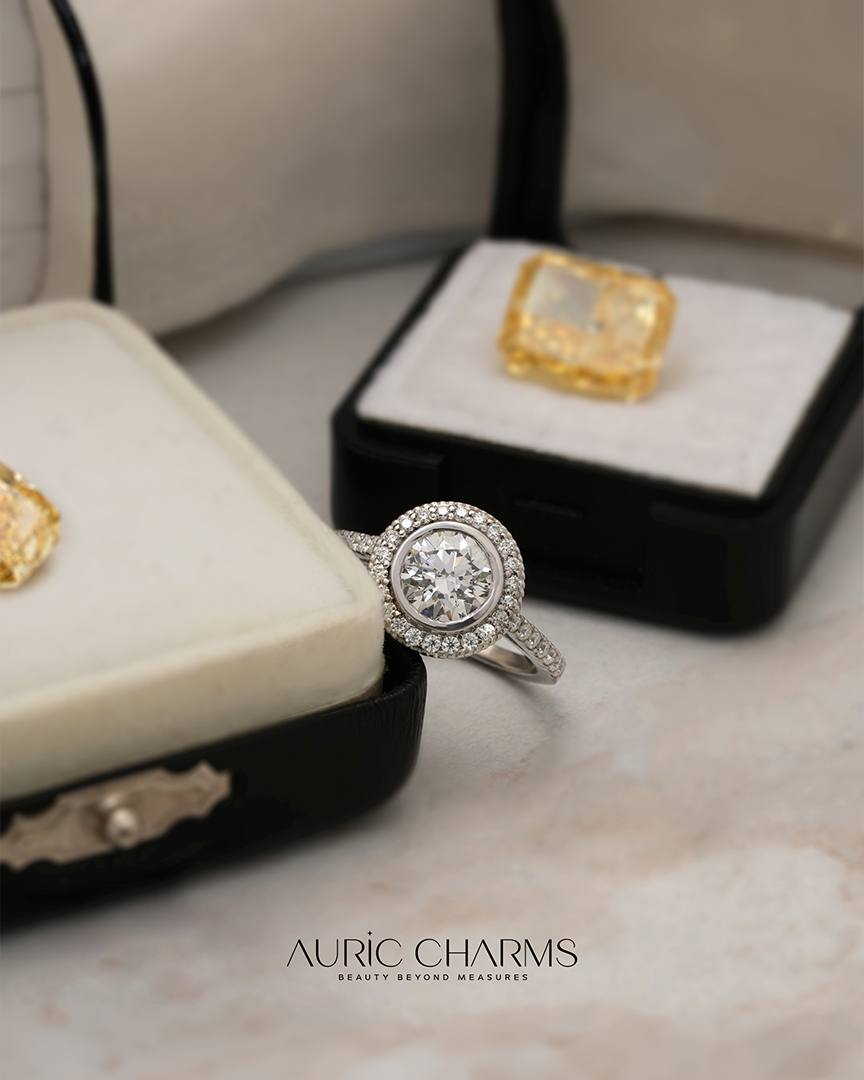
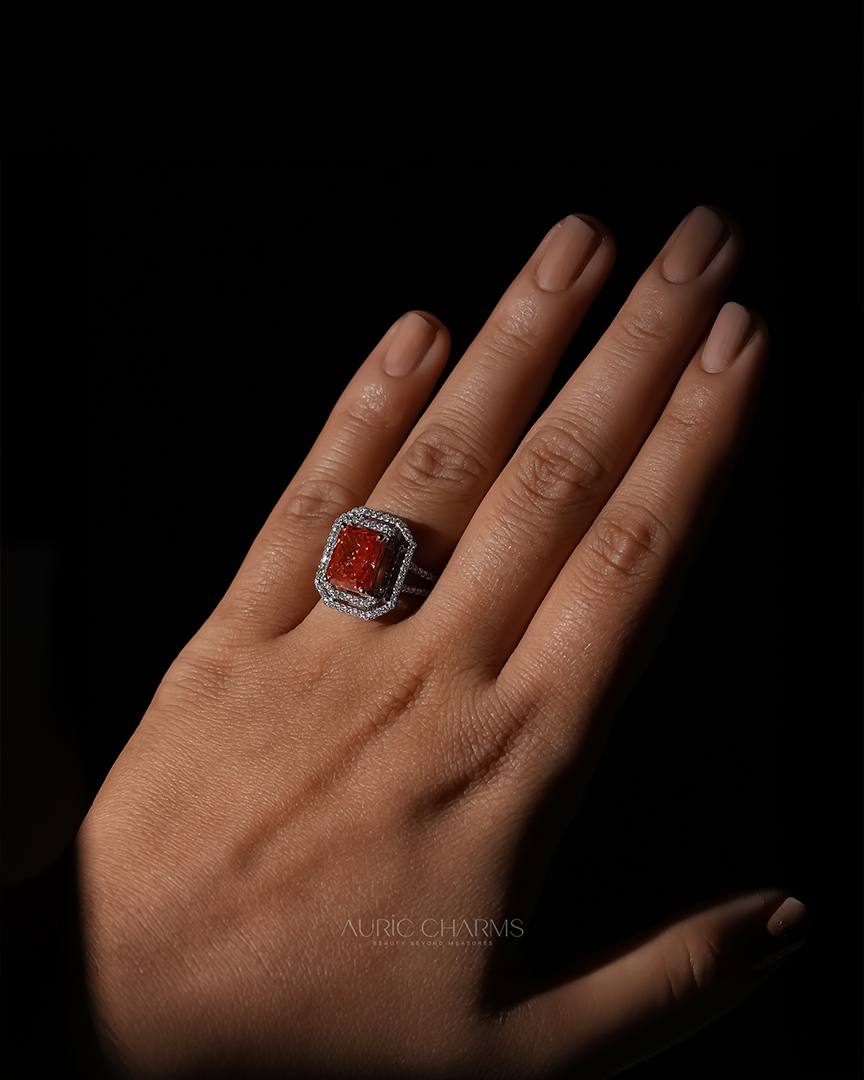
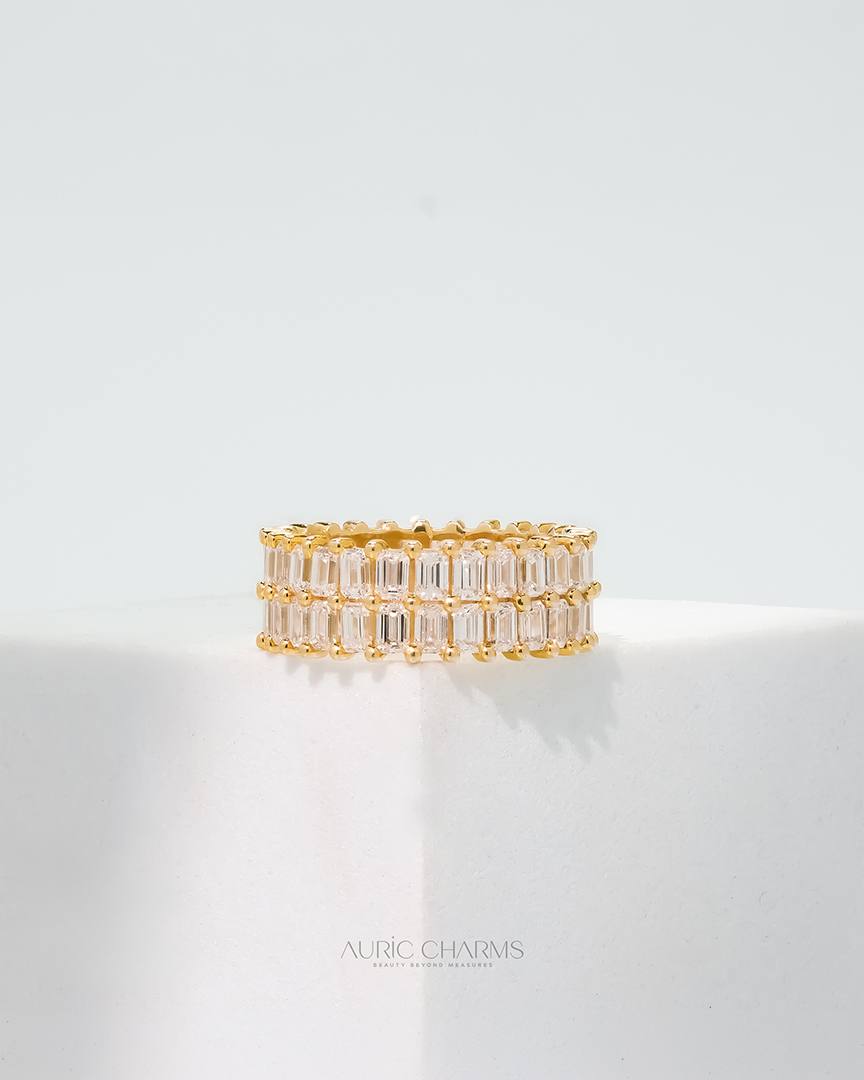
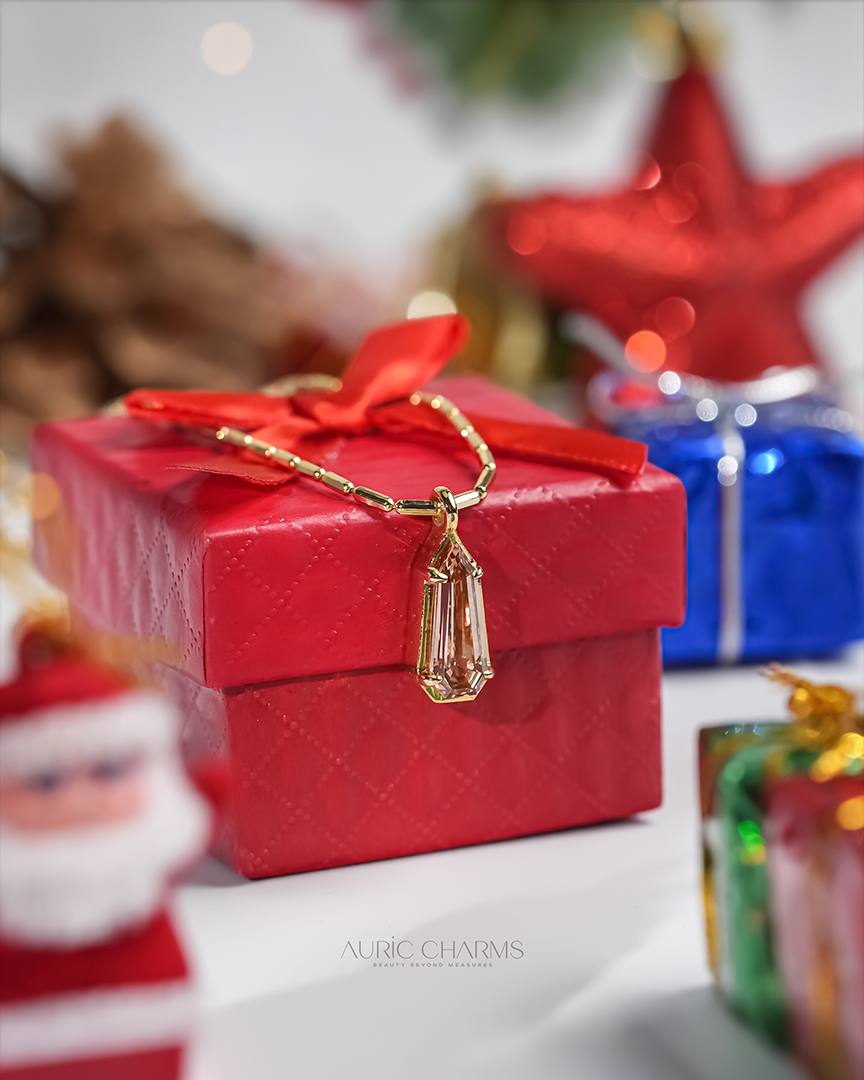
Auric Charms Instagram content managed by Indiibot. Consistent aesthetic, mix of product and lifestyle, built around a defined brand voice.
Organic social media builds your brand. Performance marketing: Meta Ads and Google Ads: scales it. But running ads without a strong brand in place is one of the most expensive mistakes a jewellery founder can make. You will spend Rs. 30,000 a month on Meta Ads only to see Rs. 3,000 in sales, because the ad brings someone to your profile and your profile does not convert them.
The right sequence is: build the brand first, then run the ads. Once your Instagram has 80 to 100 quality posts, a consistent aesthetic, and a strong brand identity, Meta Ads become a multiplier. You are not introducing a stranger to a new brand. You are reminding a warm prospect about a brand they already trust.
For jewellery brands targeting the Indian D2C buyer in 2026, the Meta Ads playbook looks like this:
Meta Ads for jewellery are not a shortcut to sales. They are an amplifier for a brand that already works. Build the brand first. Then spend the ad budget. In that order, the returns compound. In reverse order, the budget disappears.
Fenil Dhorajiya, Indiibot TechnologyHere is the mistake most jewellery founders make when they decide to invest in their brand. They hire a freelancer for the logo. A separate studio for the packaging. A social media executive who is also handling three other brands. A photographer they found on Instagram. A digital marketing agency for the ads. Five different vendors, five different briefs, five different aesthetics, five different communication styles.
The logo looks nothing like the packaging. The packaging has nothing to do with the Instagram content. The Instagram content looks nothing like the ads. The ads send people to a website that looks like it belongs to a different company entirely.
This is not a hypothetical. It is the exact situation we find with most jewellery founders who come to Indiibot after trying to build their brand in pieces. By the time they have paid all five vendors, they have spent Rs. 3 to 5 lakh and have a brand that feels fragmented and unconvincing.
A brand is a unified system. Every touchpoint: the logo, the packaging, the Instagram grid, the ad creative, the website, the product photography: must speak the same visual language and carry the same emotional message. That consistency is what makes a buyer trust you with their money, especially for a high-stakes, high-emotion purchase like jewellery.
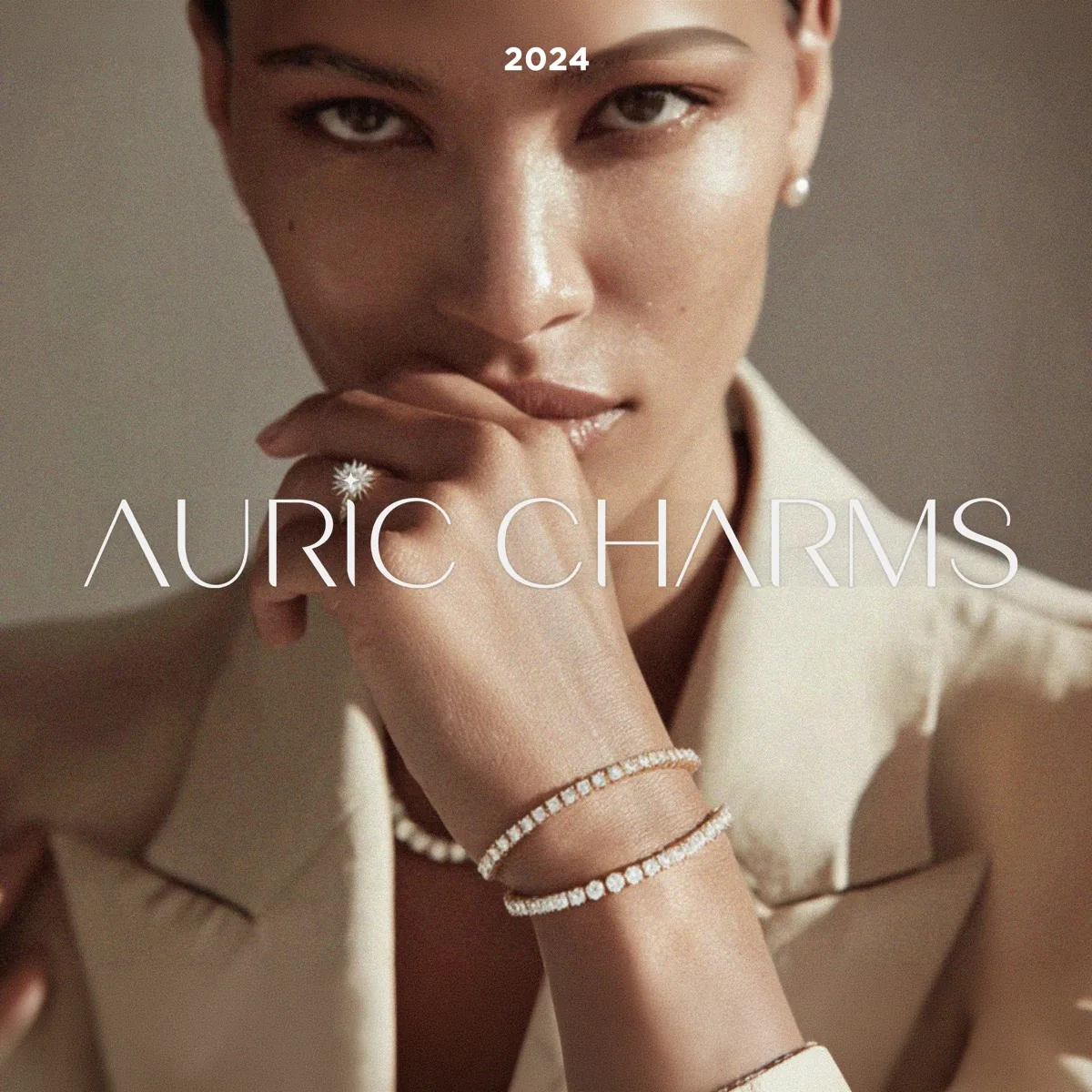
Eight phases to build a jewellery brand in India from zero. In order. Without skipping.
The jewellery brands that get all eight phases right do not just make more sales. They build businesses that compound. A strong brand identity means lower cost per acquisition on ads because the creative converts better. A strong Instagram presence means lower dependence on paid traffic because organic reach compounds over time. Strong packaging means more user-generated content because buyers photograph their orders. All of these effects reinforce each other.
The brands that cut corners: buying a cheap logo, skipping the packaging brief, running ads before the Instagram is ready: spend more money to get worse results, and eventually stop, convinced that "social media doesn't work" or "ads are too expensive." The problem was never the ads. It was the brand.
If you are building a jewellery brand in India in 2026 and you want to do it right from the beginning, book a free strategy call with Indiibot. We are based in Surat, India's diamond capital, and we have built 5+ jewellery and lab grown diamond brands from naming through to ads. We will review your brand, your goals, and tell you exactly what we would build and what it would cost. No pitch, no pressure.
Indiibot Technology LLP, Surat, India. We build jewellery brands end-to-end: strategy, naming, logo, packaging, photography, social media, ads, and web. One team, one brief, no vendor juggling.
Book a Free Strategy Call